Living in the UK means we all have to deal with the disadvantage of winter riding. The following article offers a little insight into the effects of winter riding both on the rider and the motorcycle as requested by some Zenith clients
Cold weather can significantly affect both the rider and the motorcycle. Understanding what temperature is too cold for a motorcycle and how this impacts motorcycle performance and safety is crucial for making informed decisions about when it’s too cold to ride.
Understanding Cold Weather Effects on Motorcycles
Tyre Performance
Optimal Temperature: Motorcycle tyres are designed to operate within a specific temperature range to provide optimal grip and performance. Most tyres perform best between 20°C and 40°C.
Cold Weather Impact: When temperatures drop below 10°C, tyre rubber becomes stiffer, reducing traction. This increased rigidity can lead to reduced grip, longer braking distances, and an elevated risk of sliding, especially on wet or icy roads.
Battery Performance
Optimal Temperature: Lead-acid batteries, commonly used in motorcycles, perform best at temperatures around 20°C.
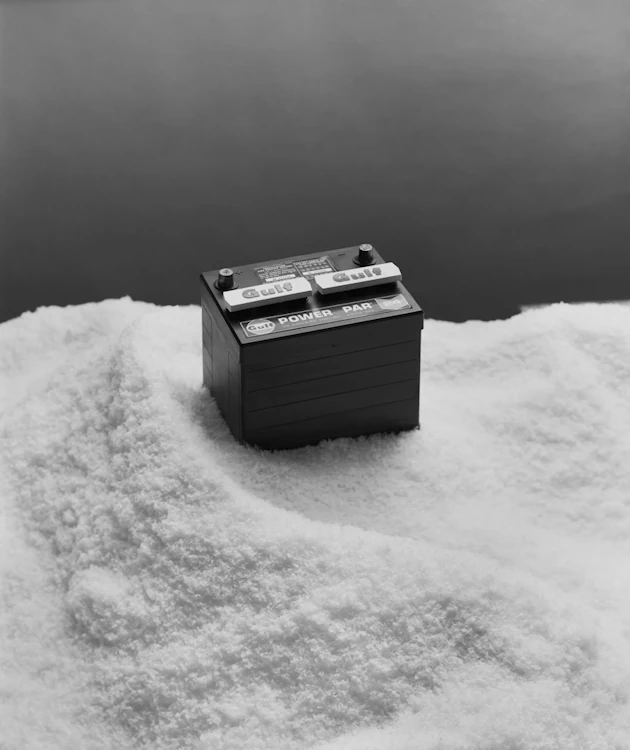
Cold Weather Impact: As temperatures drop, battery efficiency decreases. At freezing temperatures (0°C), a battery’s starting power can be reduced by up to 50%. This can make starting your motorcycle difficult, especially if the battery is old or not fully charged.
Engine Performance
Optimal Temperature: Motorcycle engines are designed to run efficiently within a specific temperature range, typically between 82°C and 104°C).
Cold Weather Impact: Cold temperatures can cause oil to thicken, making it harder for the engine to turn over. This increased viscosity can lead to higher wear and tear on engine components during startup. Additionally, carburetted engines may have trouble maintaining the correct fuel-air mixture in cold weather, leading to poor performance and increased fuel consumption.
Safety Considerations for Cold Weather Riding
Hypothermia and Frostbite
Rider Health: Prolonged exposure to cold temperatures can lead to hypothermia and frostbite. Hypothermia occurs when your body loses heat faster than it can produce it, leading to dangerously low body temperatures. Frostbite is the freezing of skin and underlying tissues, most likely to affect fingers, toes, nose, and ears.
Prevention: Dress in layers, using thermal and windproof clothing. Wear insulated gloves, boots, and a full-face helmet to protect against the cold wind. Use heated gear, such as gloves and jackets, if possible.
Reduced Visibility
Fogging: Cold weather can cause the inside of your helmet visor to fog up, reducing visibility.
Prevention: Use anti-fog treatments on your visor, or invest in a helmet with a built-in anti-fogging system. Ensure your motorcycle’s lights are working properly and clean to maintain visibility to other drivers.

Road Conditions
Ice and Snow: Ice and snow significantly increase the risk of accidents. Black ice, in particular, is hazardous because it is difficult to see and can form even when temperatures are just below freezing.
Prevention: Avoid riding if there’s a risk of ice or snow on the roads. If you must ride, slow down, increase following distances, and avoid sudden manoeuvres. Use winter tyres designed for better traction in cold conditions.
Preparing Your Motorcycle for Cold Weather
Tyres
Cold Weather Tyres: Consider using tyres designed for cold weather riding. These tyres have compounds that remain pliable at lower temperatures, providing better grip.
Battery Maintenance
Battery Optimiser: Use a battery tender to keep your battery fully charged. This is especially important if you ride infrequently during the winter months.
Coolant Check
Antifreeze: Ensure your coolant system has the appropriate mix of antifreeze to prevent the coolant from freezing and causing engine damage.
Lubrication
Lubricate Moving Parts: Cold weather can cause lubricants to thicken. Ensure all moving parts, such as the chain and cables, are well-lubricated and check them regularly.
When is it Too Cold to Ride?

While motorcycles can technically operate in freezing temperatures, it’s often not practical or safe to do so. The most important thing to be aware of is that whatever temperature the forecast says, you MUST factor in wind chill. Wind chill is the feeling of cold that occurs when wind blows away the body’s heat. It can be especially dangerous for motorcycle riders because it can lead to hypothermia or frostbite. Riding a motorcycle in a 10-mph headwind will make it feel 1-2°C colder than riding in quiet air. For example, the wind chill reaches -8°C when you’re riding at 50 mph in 2°C weather versus -7°C when there’s no wind.
Here are some guidelines to help determine when it might be too cold to ride:
Below 10°C
Considerations: Tyre performance starts to degrade, and the rider’s comfort becomes a concern. Hypothermia and frostbite risk increase, especially on longer rides.
Below 0°C
Considerations: Risk of ice on the roads increases, making riding dangerous. Battery performance drops significantly, and starting the engine can become difficult.
Below -7°C
Considerations: Tyres lose considerable grip, and engine oil becomes very thick. Frostbite can occur quickly, even with proper gear.
Below -12°C
Considerations: Extremely high risk of mechanical issues and accidents. Only ride in these conditions if absolutely necessary and with proper precautions.
Riding a Motorcycle in the Winter Conclusion
Cold weather riding poses significant challenges for both the motorcycle and the rider. While motorcycles can technically be ridden in very cold temperatures, the risks to safety and the bike’s mechanical health often outweigh the benefits. Generally, temperatures below 32°F (0°C) are considered too cold for most riders. Always prioritise safety, and consider alternative transportation during extreme cold to protect both yourself and your motorcycle.