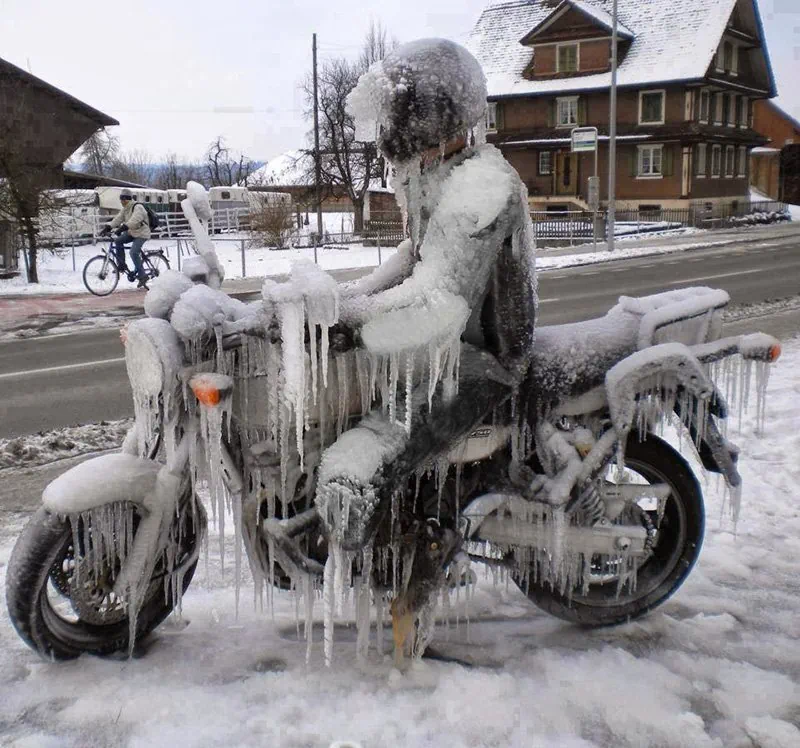
Winter is the bikers’ worst enemy. Many of my clients here at Zenith park have their motorcycles up for the harshest winter months, but a brave band of riders still brace the winter ride. So, to make sure we stay safe out on the winter roads let’s look into how to warm up motorcycle tyres in cold weather to get you maximum grip on the road.
Warming up motorcycle tyres in cold weather is crucial for ensuring optimal grip and safety. Cold tyres can lead to reduced traction, which affects handling and braking performance. Here are several methods to effectively warm up your motorcycle tyres before and during your ride in cold weather:
Warm-Up Time
Initial Warm-Up Period: On average, it takes about 10 to 20 minutes of moderate riding to sufficiently warm up motorcycle tyres in cold weather. This duration allows the tyres to reach a temperature where they can provide adequate grip and handling.
Factors Affecting Warm-Up Time
Ambient Temperature: Colder temperatures can extend the warm-up time. In extremely cold conditions, it may take closer to 20 minutes.
Tyre Compound: Sport and performance tyres typically take longer to warm up compared to touring or winter-specific tyres
Pre-Ride Preparation
Tyre Pressure Check
Proper Tyre Pressure: Ensure your tyres are inflated to the correct pressure. Cold weather can reduce tyre pressure, which can affect the tyre’s contact patch and heating efficiency. Check your tyre pressure before every ride and adjust as necessary.
Tyre Tread Check: Make sure your tyres have the legal tread depth and are not damaged or cracked.
Starting Your Ride

Gradual Acceleration
Slow Start: Begin your ride at a moderate pace. Avoid sudden accelerations, hard braking, or aggressive cornering until your tyres have had a chance to warm up. Gradual acceleration helps generate heat evenly across the tyre surface. Think of it like walking on a slippery surface, you wouldn’t run full blast down the road on slippy shoes in the rain or on wet leaves so why should your bike be any different?
Smooth Riding
Smooth Manoeuvres: Use smooth and steady inputs for throttle, braking, and steering. This helps build heat in the more evenly and safely.
Generating Heat While Riding
Braking Technique
Light Braking: Apply light braking periodically as you ride. This creates friction between the tyres and the road, helping to generate heat. However, avoid heavy braking as cold tyres may not grip well initially.
Zigzagging
Weaving Manoeuvre: Perform gentle weaving or zigzagging manoeuvres within your lane. This increases the surface area of the tyre that comes into contact with the road, promoting more even heating. Ensure you do this safely and without disturbing other traffic. Other road users may not understand what you are doing when you zigzag so please do it safely.
Leaning in Turns
Moderate Leaning: Lean into turns gradually to help heat up the tyre sides. Avoid extreme leans until they are properly warmed up, as cold tyres can easily lose grip.
Environmental Considerations
Road Surface Awareness
Road Conditions: Be aware of the road conditions. Cold and wet surfaces can be slippery, so extra caution is needed. Avoid areas with black ice or frost, and try to ride on dry surfaces whenever possible.
Post-Ride Maintenance

Tyre Inspection
Check for Damage: After your ride, inspect your tyres for any signs of damage or wear. Cold weather can make tyres more prone to cracking and other issues, so regular inspections are crucial.
Storage
Proper Storage: Store your motorcycle in a place where the tyres are not exposed to extreme cold. A garage or shed can help maintain a more consistent temperature, preventing the tyres from becoming excessively cold overnight.
Warming up motorcycle tyres in cold weather is essential for maintaining traction, handling, and safety. By using a combination of pre-ride preparations, smooth and gradual riding techniques, and being mindful of road conditions, you can ensure that your tyres reach their optimal operating temperature more quickly and efficiently. Proper tyre maintenance and choosing the right tyres for cold weather conditions further enhance your riding experience and safety during the colder months.