As motorcycle technicians, we are often asked “What happens to the battery of a motorcycle in cold weather”. Although you cherish a bike and take great care to maintain it in optimal condition, winter can have negative influences on motorcycle batteries. The answer is quite complicated and explains how cold weather can affect our motorcycles, particularly the battery. We’ll delve into how can the cold ruin a motorcycle battery and explore strategies to mitigate any potential damage.
Understanding Motorcycle Batteries
Before we delve into the effects of cold weather, it’s essential to understand the basics of motorcycle batteries. Most motorcycles use lead-acid batteries, which are reliable and relatively inexpensive. These batteries consist of lead plates submerged in an electrolyte solution of sulfuric acid and water. When the battery is discharged, a chemical reaction occurs, producing electricity to power the motorcycle’s electrical components.
Effects of Cold Weather on Motorcycle Batteries
Reduced Chemical Reactions
Low temperatures slow down the chemical reactions within the battery primarily due to the effect of temperature on reaction kinetics. This reduced activity can hinder the battery’s ability to deliver sufficient power, especially during startup. In a lead-acid battery, the chemical reactions that occur during charging and discharging are essential for producing and delivering electrical energy. At lower temperatures, molecules have less kinetic energy, meaning they move more slowly. As a result, the collisions between molecules that initiate chemical reactions happen less frequently and with less energy. This decrease in collision frequency and energy leads to a reduction in the rate of chemical reactions.
Increased Internal Resistance
Cold temperatures cause the electrolyte solution in the battery to thicken, increasing its internal resistance. As a result, the battery may struggle to provide the necessary voltage to start the engine.
Decreased Molecular Mobility
When the temperature drops, the molecular mobility of the electrolyte solution decreases. In simpler terms, the molecules within the electrolyte become less energetic and move more sluggishly. This reduced mobility leads to a thicker, more viscous electrolyte solution.
Changes in Molecular Arrangement
As the temperature decreases, the molecules in the electrolyte solution may rearrange themselves into more ordered structures. This molecular arrangement can contribute to an increase in viscosity, making the electrolyte thicker.


Formation of Crystals
In extremely cold conditions, some components of the electrolyte solution may start to form crystals. For example, the water within the electrolyte can freeze, forming ice crystals. These crystals further contribute to the thickening of the electrolyte and can impede the flow of ions within the battery.
Effect on Additives
Many battery electrolytes contain additives designed to improve performance or extend lifespan. Some of these additives may become less soluble or undergo changes in structure at lower temperatures, contributing to the overall thickening of the electrolyte solution.
Decreased Capacity
Cold weather can decrease the overall capacity of the battery, meaning it holds less charge than usual. This reduction in capacity can lead to shorter riding times between charges.
Chemical Reaction Rate
In cold temperatures, the chemical reactions necessary for the battery to produce and store electrical energy occur more slowly. This sluggish reaction rate reduces the battery’s ability to generate and hold a charge effectively.
Electrolyte Density
The electrolyte solution inside the battery, usually sulfuric acid mixed with water, becomes more viscous in cold temperatures. This increased viscosity limits the flow of ions between the battery plates, hindering the battery’s ability to deliver and retain electrical energy.
Internal Resistance
Cold temperatures increase the internal resistance of the battery. This resistance impedes the flow of electrons through the battery’s components, leading to a decrease in its overall capacity to store and deliver electrical energy.
Reduced Active Material Utilisation
In colder conditions, the active materials within the battery, such as lead and lead dioxide, may not fully utilise their capacity to undergo chemical reactions. This underutilisation further diminishes the battery’s effective capacity.
Sulfation
If the battery is left in a discharged state in cold weather, sulfation can occur more rapidly. Sulfation reduces the available surface area for chemical reactions and diminishes the battery’s capacity over time.
Risk of Freezing
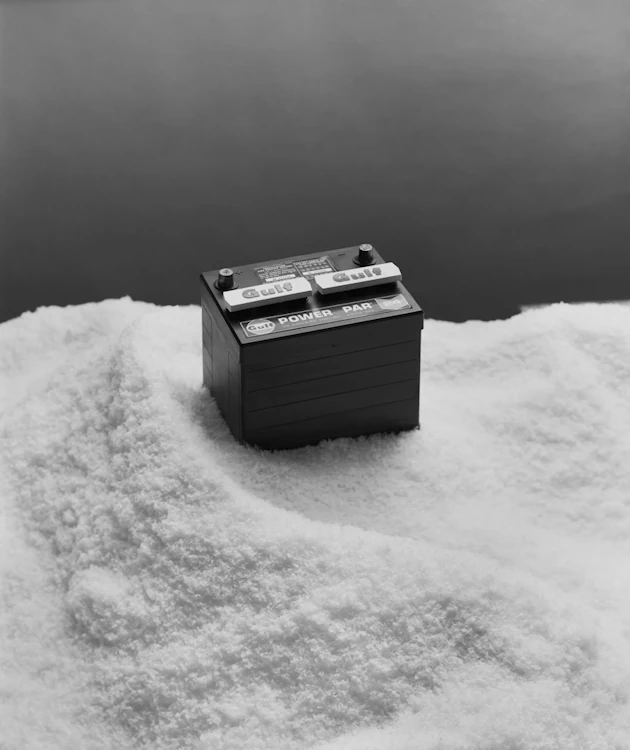
In extremely cold conditions, there’s a risk of the battery’s electrolyte solution freezing, which can damage the internal components and render the battery unusable.
Water Content
Most lead-acid batteries use a mixture of sulfuric acid and water as the electrolyte. Water, being the main component, is susceptible to freezing at low temperatures.
Electrolyte Dilution
During the normal operation of a battery, water can evaporate from the electrolyte, especially in warmer conditions. If the water level drops too low, the remaining electrolyte becomes more concentrated, increasing its freezing point. Additionally, if water is added to the battery to compensate for the loss, it might not be properly mixed, leading to localised areas of higher water content and increased susceptibility to freezing.
Expansion Upon Freezing
When water freezes, it expands. In a confined space like a battery casing, this expansion can exert significant pressure on the internal components, leading to physical damage such as cracked casings or distorted plates.
Disrupted Chemical Reactions
Freezing of the electrolyte can disrupt the chemical reactions necessary for the battery to function properly. This can cause irreversible damage to the battery’s internal structure and decrease its performance and lifespan.
Mitigating the Effects of Cold Weather on Motorcycle Batteries
While cold weather can pose challenges for motorcycle batteries, there are several steps riders can take to mitigate its effects:
Keep the Battery Charged
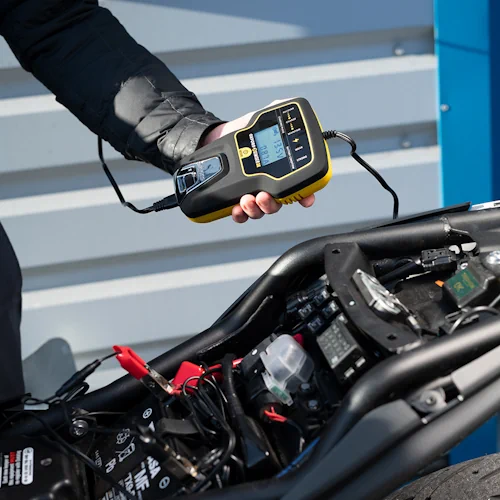
Maintaining a fully charged battery is crucial, especially during the colder months. Regularly trickle-charging the battery when not in use can help ensure it remains at optimal levels.
Store the Motorcycle Indoors
Whenever possible, store your motorcycle in a garage or other sheltered area to protect it from extremely cold temperatures. If indoor storage isn’t an option, consider using a battery optimiser or insulated cover to provide some protection.
Warm-Up Routine
Before riding your motorcycle in cold weather, allow it to warm up for a few minutes. This not only gives the battery a chance to reach its optimal operating temperature but also helps lubricate moving parts and improve overall engine performance.
Conclusion
While cold weather can indeed have detrimental effects on motorcycle batteries, proactive maintenance and strategic measures can help mitigate these risks. By understanding how cold temperatures affect battery health and implementing appropriate precautions, riders can ensure their motorcycles remain in peak condition even during the chilliest of seasons. Remember, a little care goes a long way in preserving your motorcycle’s battery life and enjoying uninterrupted rides throughout the year.