As a frequent visitor to Brazil (or Brasil, as it is correctly spelt) over the last 15 years to spend time with my family, due to my motorcycling background, I have witnessed firsthand the Brazilian attitude towards motorcycling.
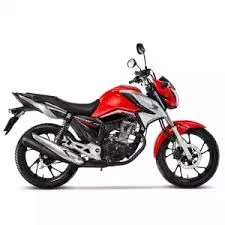
Having a motorcycle in Brazil is, in certain places, essential. It is a rite of passage for younger people from most socioeconomic backgrounds to start their motorcycling life on a Honda CG125 or CG160 Titan or the Honda Biz scooter. Unfortunately, the need or desire to progress to a larger engine comes down to class and financial status. For example, most couriers (or “moto boys” as they are known in Brazil) can still be seen mostly on Honda CG160’s tearing up the notorious roads of São Paulo with their horns tooting as they go. It is very rare to see a courier/moto boy on a larger, more expensive model as we do here in the UK, as the affordability is simply unrealistic for them.
All motorcycles and scooters are also essential commuter tools. Again, the class divide in Brazil shows through the larger motorcyclists being used to commute by office workers and skilled workers, whereas most other types of workers use the smaller engine bikes or scooters. As an example, my mother-in-law has a visit from a manicurist each week, who always travels to her clients on a Honda CG. Whereas my brother-in-law, an executive working for a large American company, travels 40km each day on his new Honda NC750 and will soon be upgrading to an Africa Twin.
Leisure and pleasure riding in Brazil is much the same as it is anywhere in the world. Sunday and the weekends are spent riding to various towns with friends or family and meeting up with other bikers, or visiting biker-friendly places to have a coffee and lunch. During the weekend, you will see the BMW R1200 and Harley-Davidsons coming out of their secure garages, cruising the motorways and country roads, in search of what we all look for on our weekend rides…the perfect road.
Roads in Brazil
This brings me onto the topic I am sure you are all most interested in. What are the roads and riding like in Brazil? Well, firstly, before attempting to ride in Brazil, make sure you have your international driving license and your regular driving license. If renting a motorcycle, make sure to have security (locks and chains) arranged and a good helmet, as crash helmet quality in Brazil can be sketchy to say the least.
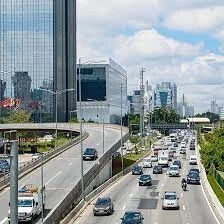
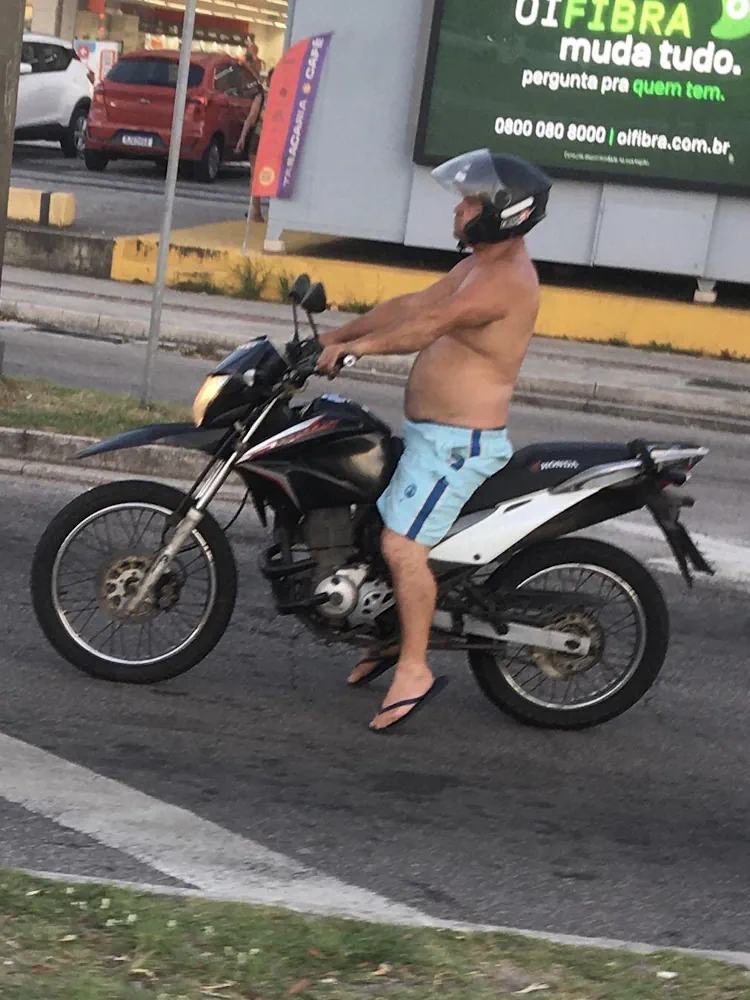
Depending on where you go in Brazil and what time of year, check whether you require a summer or winter riding jacket and trousers. The South of Brazil tends to be much cooler than the central and northern regions, particularly in the mornings and evenings. On the subject of riding gear, if you are intending on visiting the central or Northern parts of Brazil and do intend to ride, do not avoid wearing the same standard of safety gear that you would use in the UK or Europe. Yes, it is hot, and yes, 80% of other motorcycle riders may only be wearing a t-shirt, shorts & flip flops, but do not let your standards slip because of the weather. Take more breaks, drink more water, and plan your route so that you are not travelling too far between locations. A good ventilated summer riding jacket and trousers, and gloves are a must.
How Safe is it to Ride a Motorcycle in Brazil?
Riding in Brazil is something you need to think about and not undertake lightly. The motorways out of the large cities are amazing. Most of the motorways are privately owned, so their condition and surface are fantastic, they are large with good lane width. Because of this, most motorways are toll roads, so have either a credit card or cash with you to pay the toll.
Motorway services are well spaced out and in good supply (certainly in Sao Paulo and Rio), but the further North you get they can become slightly sketchy. Most services offer great coffee and amazing baked snacks to keep your physical motor topped up, and good petrol to keep your bike’s motor topped up. Try and avoid small roadside petrol stations outside of the cities as the quality of fuel from these filling stations can be incredibly hit or miss, as I have found out to my detriment. Try and stick to larger filling stations where possible. The majority of fuel stations are pump-attended, so the attendant will fill up while you wait and take payment on the spot.

Waze and Google Maps are the best way to navigate, even if you get lost. I recommend trying not to look lost. Rather than asking directions on the roadside, try and find a store or café to ask.
The quality of driving in Brazil like is any country is comparable. The only trouble is that driving in Brazil is comparable to that 70s cartoon “Wacky Races”. I have personally been on a motorway in the overtaking lane with a tractor heading directly towards me, coming the wrong way. No one apart from me blinked an eye, so there’s that! I have seen dogs running out in front of bikes doing 60 kmph (it didn’t end well for either). I have seen high-speed flip-flop loss from a rider in front of me and have had the flip-flop blow back across me and slap me across the face, cows dragging Honda CG160’s along the road (no rider or cow person in sight). Let’s say in Brazil, anything is possible. Brazilians are very aggressive drivers, and there are only three rules:
- See a gap, fill the gap,
- Never use indicators, and
- Stop at the last possible moment.
But taking this seriously, Brazil has the record of one of the places in the world with the highest road accident deaths per year. On average, around 40,000 people die annually, and if you were to add the serious injuries per year, that would amount to 150,000 victims per year.
In Brazil, road traffic deaths involving motorcyclists have been a significant issue, with trends suggesting an increase in motorcycle-related fatalities over time. Specifically, the National Institutes of Health (NIH) notes that while overall road traffic deaths decreased in some areas, the mortality rate for motorcyclists increased by 53% between 1990 and 2019, according to a study published on SciELO. The National Institutes of Health (NIH) has identified high rates of motorcycle fatalities, particularly among young men in the North, Northeast, and Midwest regions of Brazil. So if this does not make sobering reading, then there is very little left that I can do with this blog to make sure you are aware of the risks.
Another risk of riding in Brazil is crime. Think about the style of bike you intend to hire or take with you, as the more attractive the bike, the more of a target you are. Unlike in the UK or Europe, you will be robbed at gunpoint if someone takes a liking to your bike. Watch out for groups of people gathering ahead at the side of the road, as spotters are known to call ahead and let their friends know there is a nice bike heading their way. Most importantly, if someone tries to stop you, don’t fall for it.
Your motorcycle isn’t the only target for theft. Your motorcycle also makes you a target. The better the bike you ride, the greater the chance you will have a nice mobile phone, watch or cash, so also be careful when parking and dismounting from your bike. It isn’t uncommon for robbers to walk you at gunpoint to the nearest cash machine and hold you there until you withdraw enough cash to satisfy them. So please, do pay attention. The most important thing is, do not put up a fight. You are not in Europe, you will be shot at if they get the chance if you resist. It is not a joke.
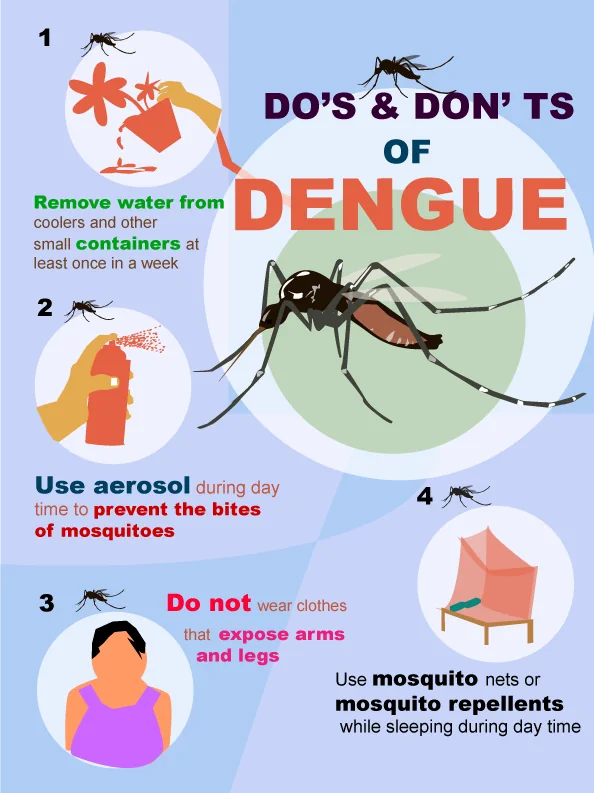
Travel insurance is a must, as are vaccinations. Depending on what area of Brazil you intend to visit, the vaccinations required differ from state to state. Insect repellent is a must and should be worn 24/7, as the risk of Dengue fever is increasing (this is a very nasty infection spread by mosquitoes), and prevention is essential.
I do not want to discourage you from using a bike in Brazil, but I have the benefit of personal experience and insider knowledge, so if I can ensure that it is done safely, then I have achieved the purpose of this blog.
Brazil is a beautiful country. It is also very broken and sometimes very dangerous, but if you travel with this in mind, you will have the experience of a lifetime. The food is amazing and varies from state to state, and the people you will meet along the way are nothing short of wonderful.